
Absolutely. Here’s a different 600 word topic focused on nutrition and hydration in memory care.
Writing
The Importance of Nutrition and Hydration in Memory Care
Good nutrition and proper hydration are important for everyone, but they can become especially important for seniors living with Alzheimer’s disease or other forms of dementia. As memory loss progresses, a person may forget to eat or drink, have difficulty recognizing hunger or thirst, or lose interest in meals. Providing nutritious food and encouraging regular hydration can support overall health and well being.
Memory care communities can help residents maintain healthy eating and drinking habits by creating comfortable mealtimes, offering appealing food choices, and providing individualized support.
Why Nutrition Matters
A balanced diet provides the energy and nutrients the body needs to function properly. For older adults, eating nutritious meals can support strength, energy, and overall wellness.
Seniors may have changing nutritional needs as they age. Some may have a reduced appetite, difficulty chewing or swallowing, or changes in taste and smell. These factors can make mealtimes more challenging.
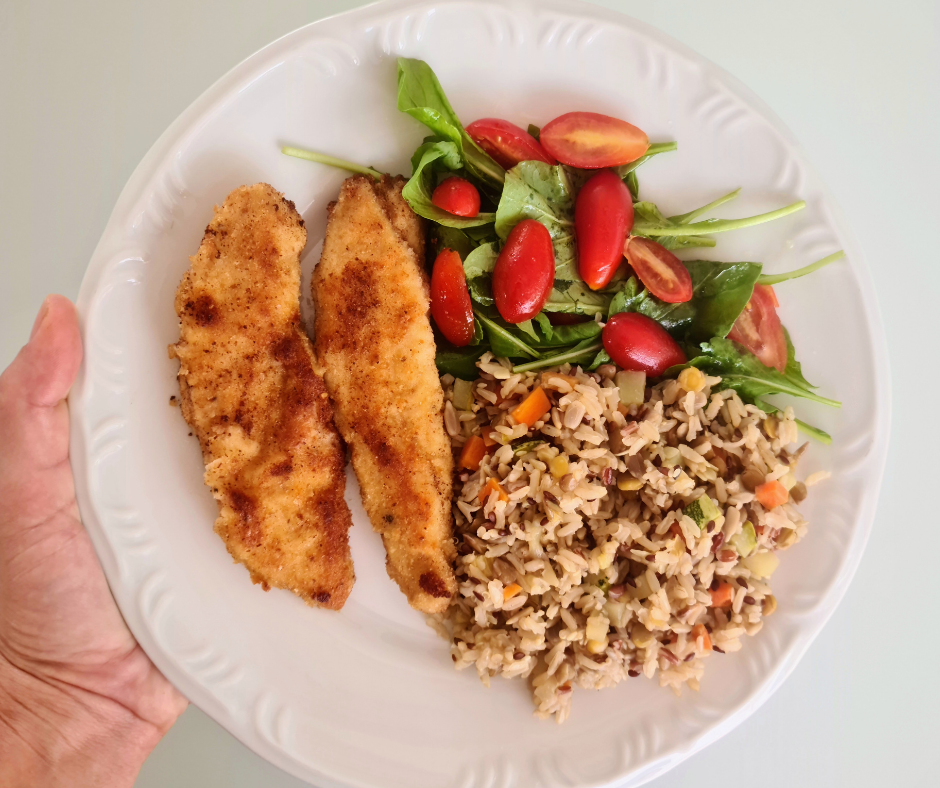
Memory care teams can work with residents and families to understand food preferences and identify meals that are enjoyable and appropriate for each individual. Familiar foods can sometimes make meals more appealing and encourage residents to eat.
Encouraging Regular Hydration
Staying hydrated is another important part of senior care. Some individuals with memory loss may not recognize or communicate when they are thirsty. Others may simply forget to drink throughout the day.
Offering fluids regularly can make hydration easier. Water, milk, juice, and other appropriate beverages can be incorporated into meals and activities throughout the day.
Caregivers can also make beverages more accessible by placing them where residents can easily see and reach them. Attractive cups, familiar drink choices, and regular reminders may encourage residents to drink more consistently.
Making Mealtimes Enjoyable
Mealtimes should be about more than simply providing food. They can also be opportunities for social interaction, comfort, and enjoyment.
A calm dining environment can help residents focus on their meals. Reducing unnecessary noise and distractions may make it easier for someone with dementia to concentrate on eating.
Eating with other residents can also create a pleasant social experience. Conversations, familiar routines, and a welcoming atmosphere can make meals something to look forward to.
Considering Individual Preferences
Every resident has unique tastes and preferences. Learning what someone enjoyed eating throughout their life can help caregivers create more personalized meals.
Families can share information about favorite foods, traditional recipes, cultural preferences, and foods that a loved one has always avoided. These details can help the care team provide meals that feel familiar and enjoyable.
Food preferences may also change over time. Caregivers should continue observing eating habits and communicating with families and appropriate healthcare professionals when concerns arise.
Supporting Independence at Mealtimes
Whenever possible, residents should be encouraged to participate in their own mealtime decisions. Simple choices can help promote independence and dignity.
Offering two meal options, allowing residents to choose a beverage, or encouraging them to select a preferred snack can give them a sense of control.
Some residents may also benefit from easy to handle utensils, appropriately prepared foods, or gentle assistance during meals.
Creating Healthy Habits Through Compassionate Care
Nutrition and hydration are important parts of quality memory care. With consistent routines, personalized food choices, a comfortable dining environment, and compassionate support, caregivers can help residents maintain healthy habits.
The goal is not simply to make sure a resident finishes every meal. It is to create positive experiences around food and beverages while supporting the individual's comfort, dignity, and overall well being.
When nutrition and hydration are approached with patience and personalization, everyday mealtimes can become opportunities for nourishment, connection, and enjoyment.