

Winter brings its own set of challenges for seniors living with Alzheimer’s or dementia. Cold temperatures, icy conditions, shorter days, and seasonal changes in routine can all affect their physical safety, cognitive function, and emotional well-being. For caregivers, planning ahead and implementing practical strategies can make the winter months safer, healthier, and more comfortable for their loved ones.
Preventing Falls and Injuries
Slippery sidewalks, icy driveways, and wet floors are major hazards during winter. Seniors with Alzheimer’s may be more prone to falls due to impaired judgment, slower reaction times, or balance issues. Caregivers should ensure that walkways are cleared of ice and snow, and consider using non-slip mats inside the home. Supportive footwear, handrails, and adequate lighting in hallways and entryways can further reduce the risk of accidents. When venturing outdoors, assistance or supervision may be necessary, especially during extreme weather conditions.
Maintaining Warmth and Comfort
Cold weather can exacerbate health risks, particularly for seniors with dementia who may have difficulty recognizing or communicating discomfort. Make sure your loved one is dressed in layers, including hats, scarves, and gloves, when going outside. Keep indoor spaces comfortably warm, but avoid excessive heating, which can dry out the air and irritate respiratory systems. Using humidifiers can help maintain moisture in the air, reducing discomfort and supporting respiratory health.
Supporting Cognitive and Emotional Health
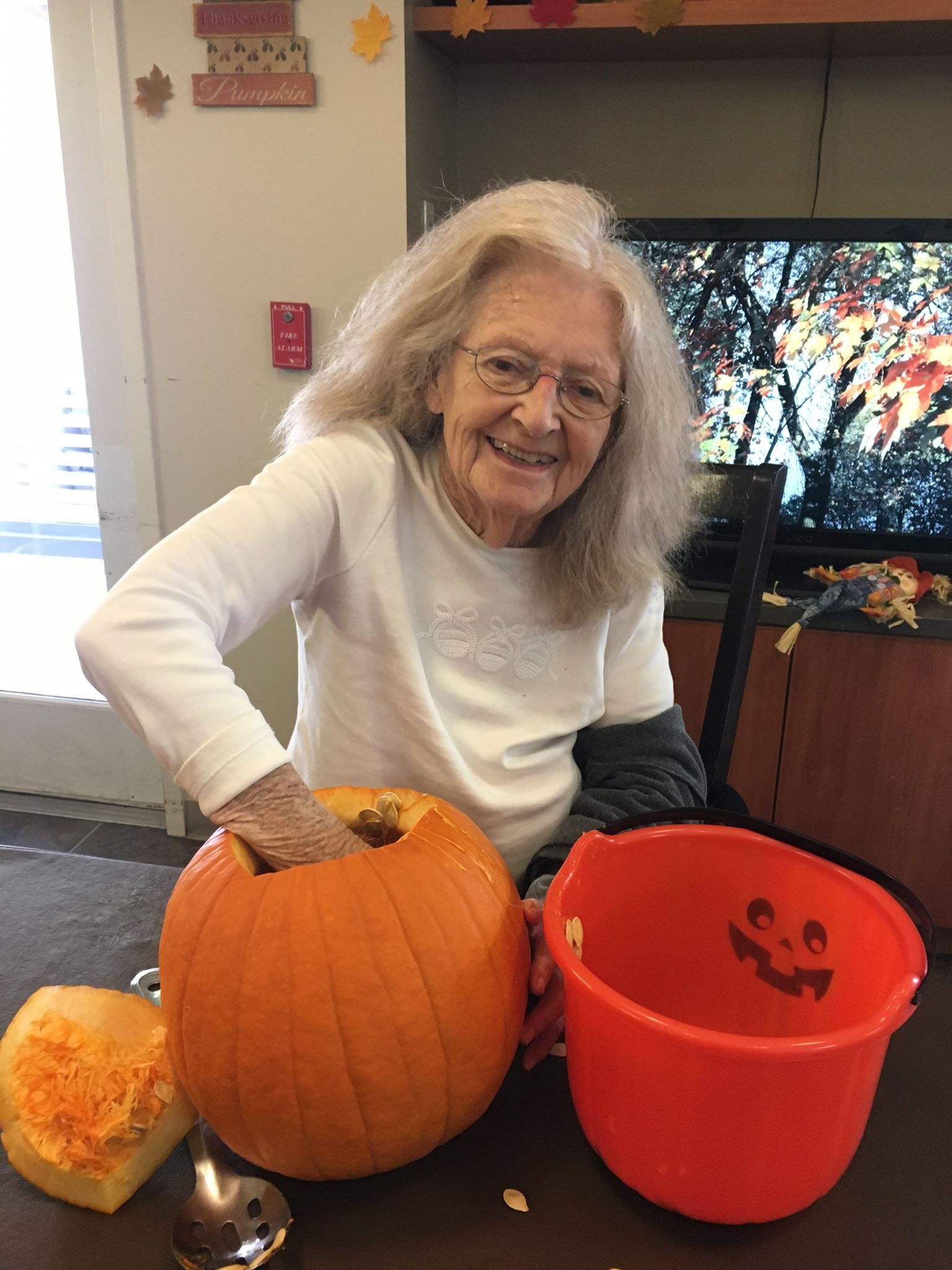
Shorter daylight hours and colder temperatures can lead to reduced outdoor activity, which may worsen agitation, depression, or disorientation in seniors with Alzheimer’s. Maintaining regular routines is crucial. Try to schedule activities during daylight hours, such as walks around the yard or short outings to well-lit areas. Indoor activities like puzzles, crafts, music, or reading can also help stimulate the mind and provide a sense of accomplishment.
Preventing Seasonal Isolation
Winter often brings limited mobility and fewer social opportunities, which can increase feelings of loneliness or anxiety. Caregivers should prioritize social engagement, even if it’s virtual. Video calls, phone check-ins, or small, safe gatherings can help seniors feel connected. Inviting neighbors or family for brief visits, or organizing group activities within assisted living communities, can also provide meaningful interaction without overwhelming your loved one.
Monitoring Health and Hydration
Cold weather can mask the need for hydration, yet seniors with Alzheimer’s are still at risk for dehydration. Encourage regular fluid intake, even if your loved one doesn’t feel thirsty. Additionally, watch for signs of illness such as flu, colds, or hypothermia, which can progress more rapidly in older adults. Keep medications up to date, maintain regular doctor visits, and have a clear plan for seeking medical care if needed.
Adjusting Daily Routines Safely
Routines are particularly important for individuals with Alzheimer’s. Winter can disrupt normal schedules, but keeping consistent meal times, sleep patterns, and daily activities can reduce confusion and agitation. Caregivers should anticipate disruptions from holidays or travel and prepare a predictable structure wherever possible.
Encouraging Gentle Physical Activity
Even in colder months, movement is vital for physical and mental health. Indoor exercises such as chair yoga, stretching, or light household activities can help maintain mobility and circulation. If the weather permits, short, supervised outdoor walks can provide fresh air, vitamin D, and sensory stimulation, all of which support cognitive and emotional well-being.
Navigate Winter Months
Winter poses unique challenges for seniors with Alzheimer’s, but with careful planning, attention to safety, and supportive routines, caregivers can help their loved ones navigate the season comfortably and securely. By preventing falls, maintaining warmth, encouraging engagement, and monitoring health, families can ensure that the colder months are not just safe, but also enjoyable and meaningful for their loved ones living with dementia.